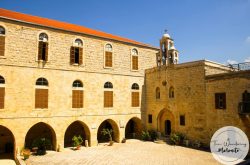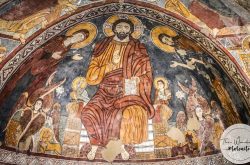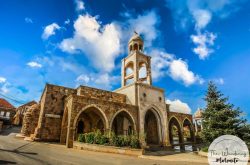

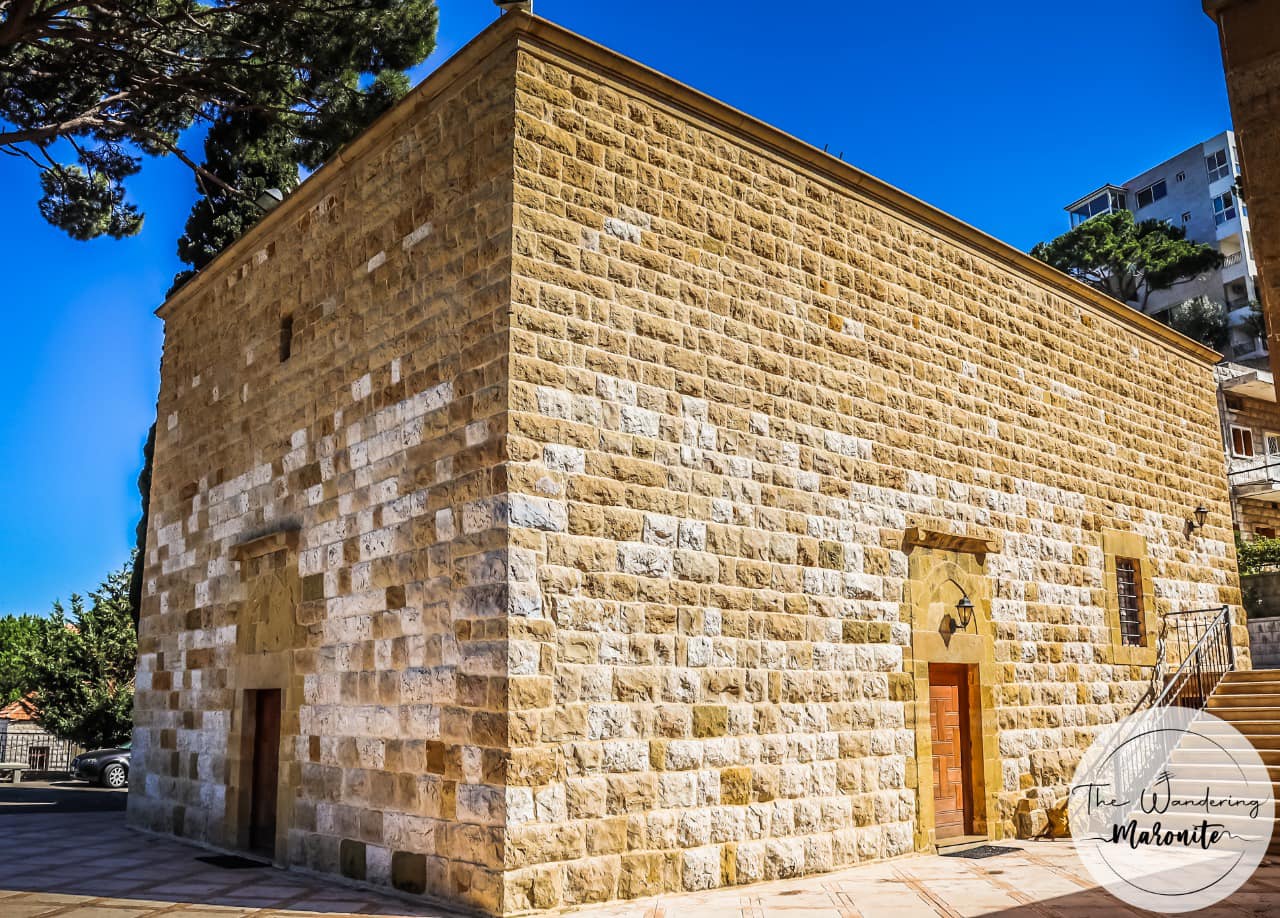
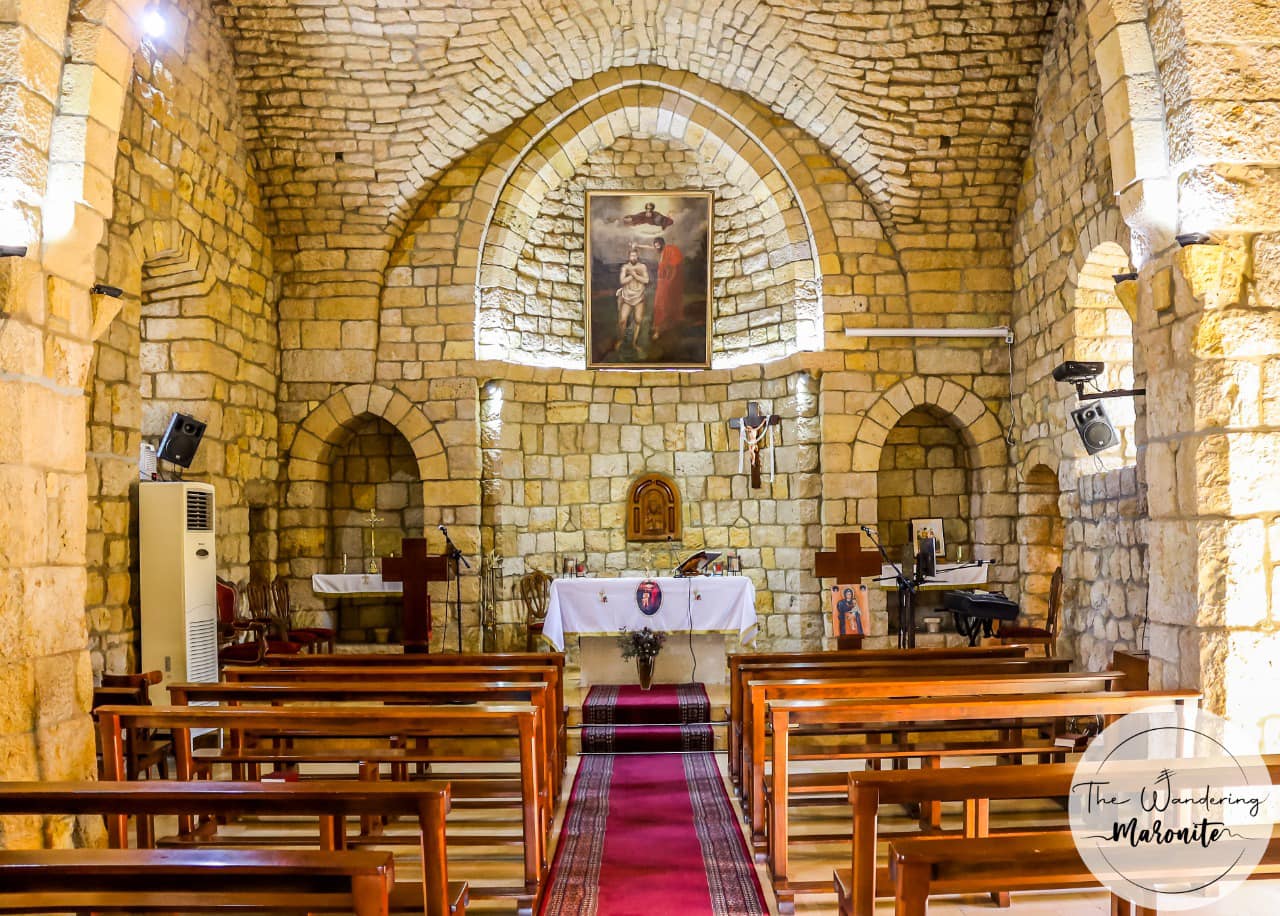
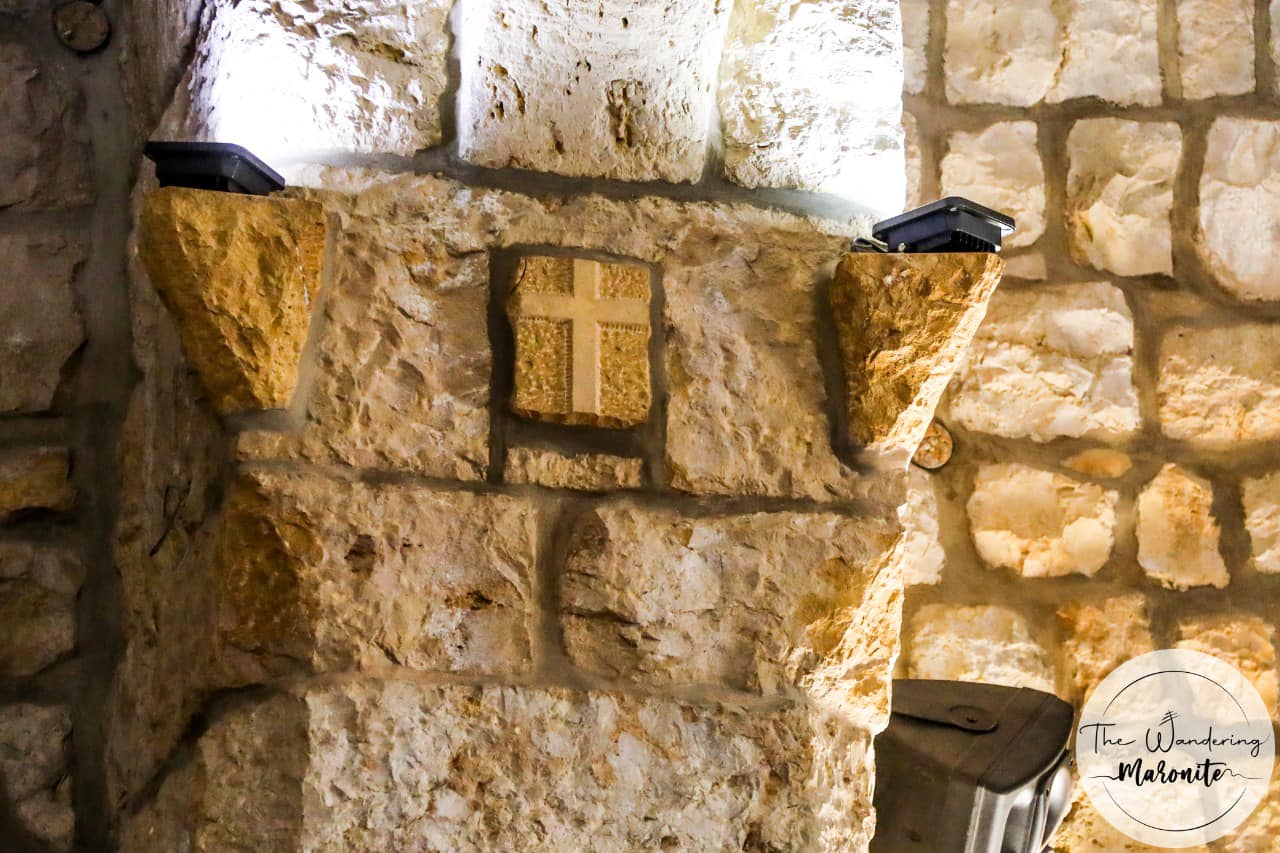
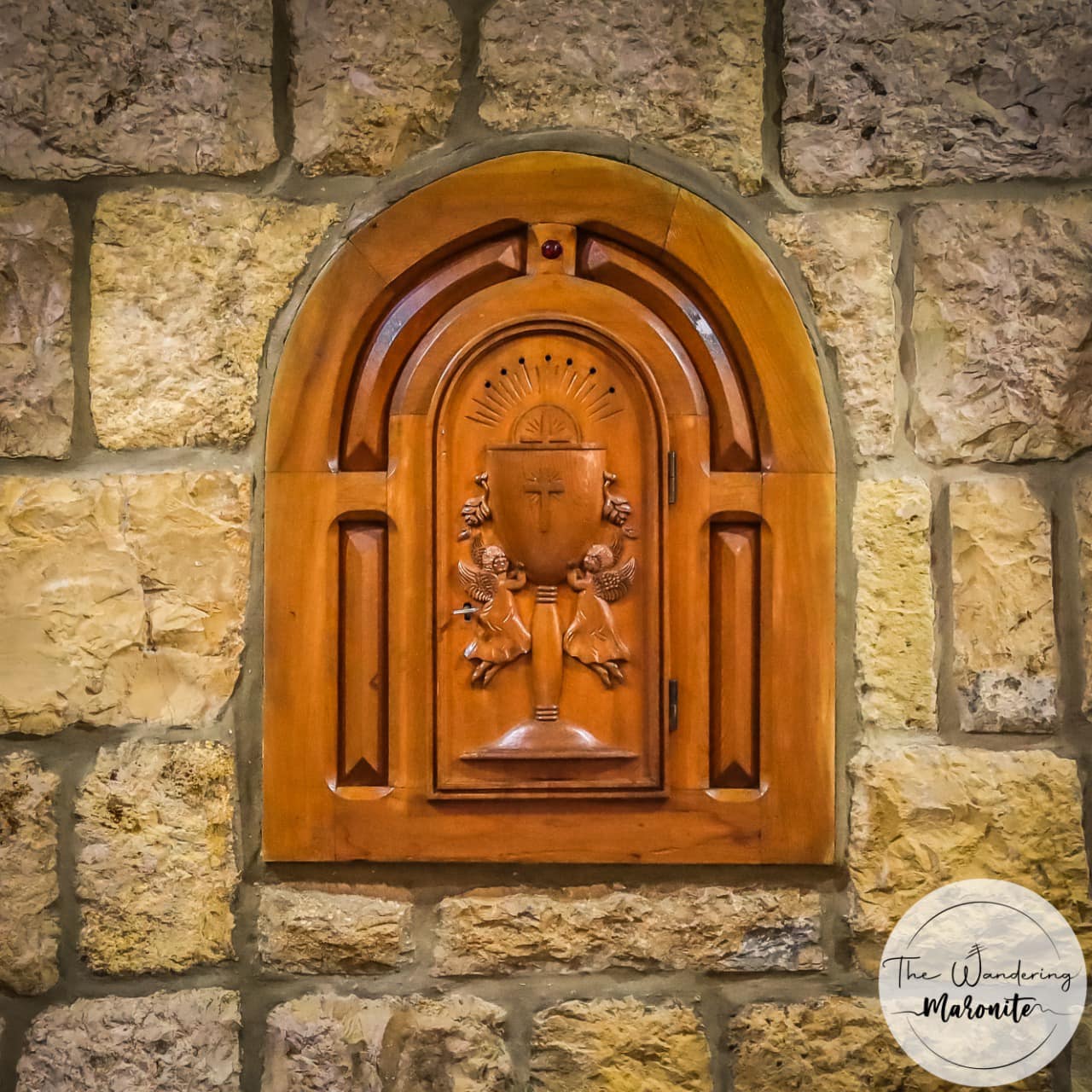
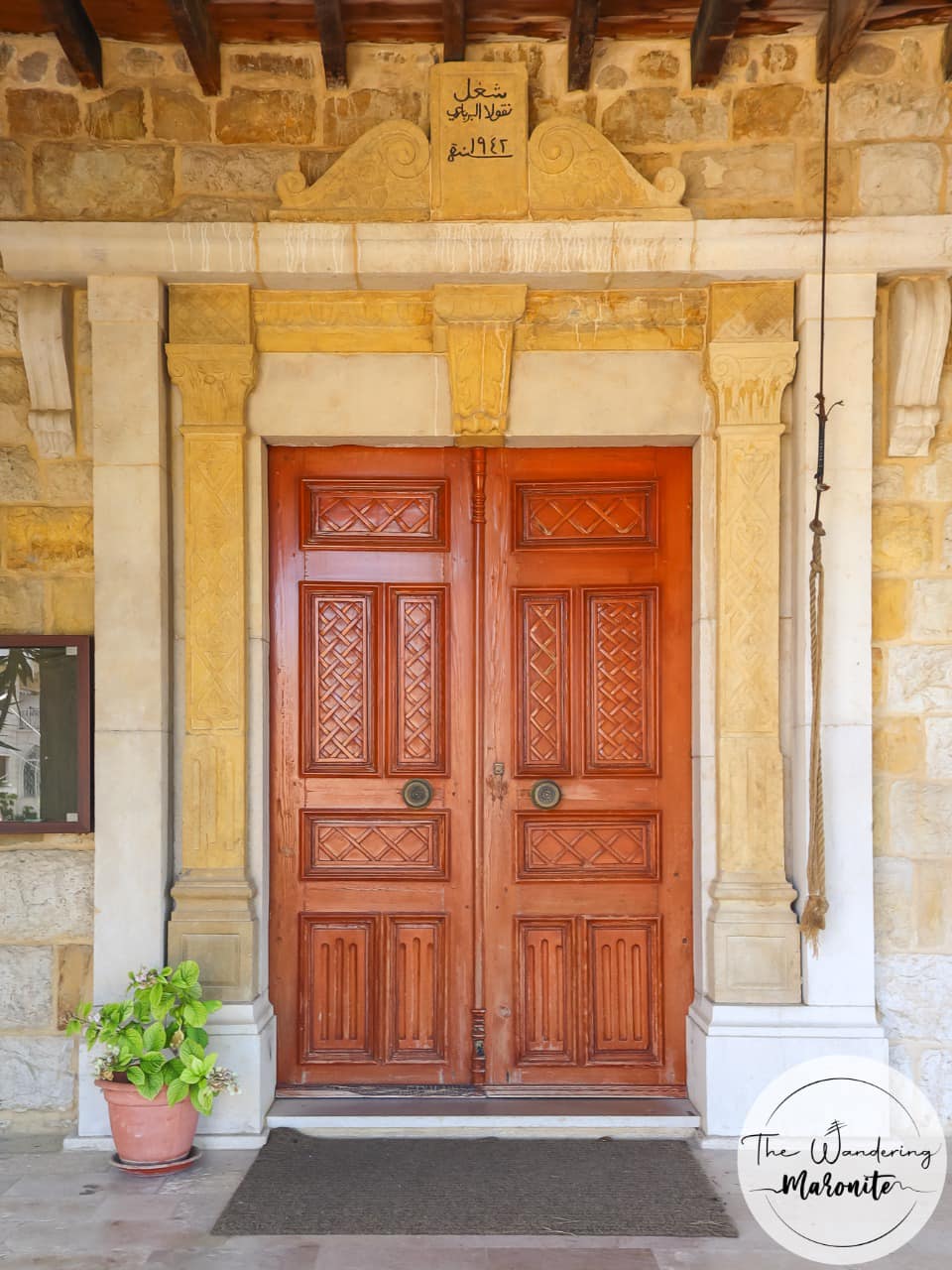
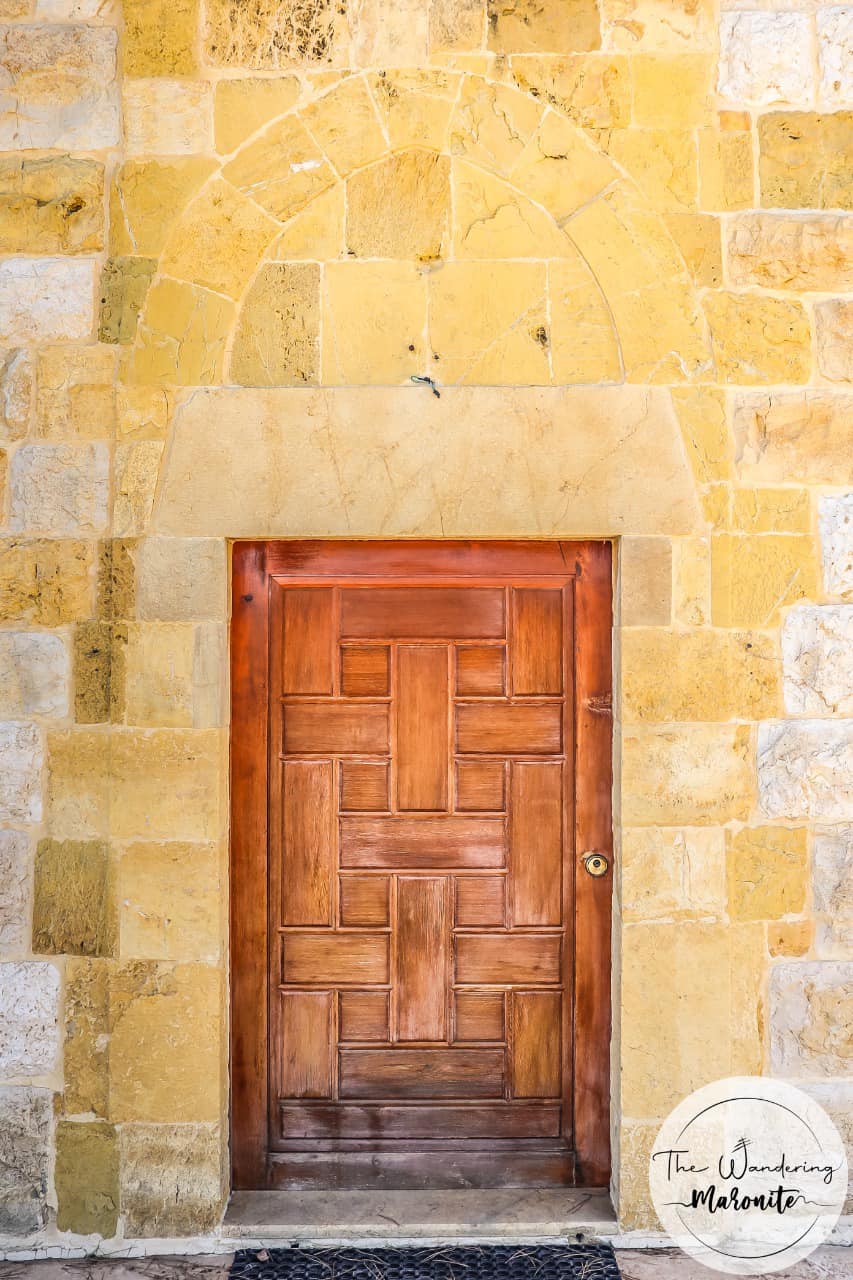
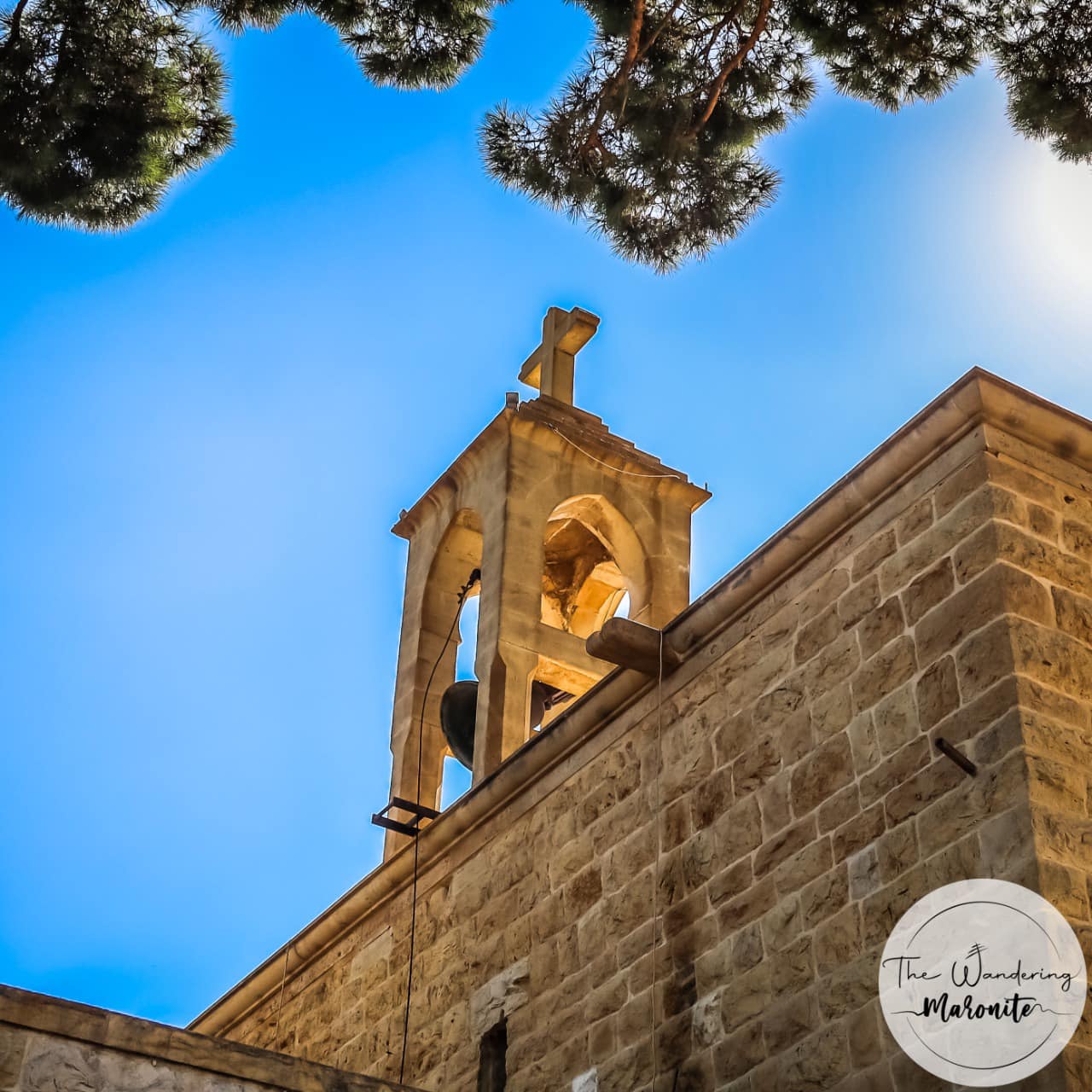
كنيسة مار يوحنّا المعمدان - بيت شبابهي وقف خاص لعائلة يمّين. بُنيت في مطلع القرن التاسع عشر، إذ يذكر المطران عبدالله بليبل أنّه رسم يوسف يمّين كاهنًا عليها سنة ١٨١١، الكنيسة عبارة عن عقد واحد ينتهي بحنية. جُدّدت حوالي سنة ١٨٦٣. سنة ١٩٤٢ بني الباب. رمّمت أخيرًا في مطلع الثمانينات.The church of St John the Baptist - Beit ShababThe church is a private chapel to the Yammine family. The church was built in the early XIXth century, the oldest trace of it dates to1811 when Bishop Abdallah Bleibel ordained Youssef Yammine as a pastor for the church. The church is a single crossed vault ending with a semi circular apse. The church was restored in 1863, the door was built in 1942. The church was completely restored in the eighties of the XXth century.
Our Lady of The Tower Maronite Church, Deir Al-Ahmar, Lebanon
كنيسة سيّدة البرج
Deir El-Ahmar
Baalbek
Baalbek-Hermel
كنيسة سيّدة البرج - دير الأحمر
بنى الرومان في دير الأحمر معبدًا لجوبيتير، تحوّل أوائل القرون الوسطى لبرجٍ عسكريّ لم يبقَ من بنائه سوى الطابق الأوّل. خلال القرن العاشر تحوّل الى ديرٍ يعقوبيّ. سنة ١٧٥٩ دمّر زلزال ضخم كنيسة سيّدة الزروع القديمة فتداعى الأهالي لبناء عقدٍ سريريّ كبير فوق آثار البرج، ليصبح البناء كنيسةً جديدةً كبيرة. كُرّست الكنيسة سنة ١٨٤٣ ورُمّمت سنة ٢٠١٧. تضمّ الكنيسة لوحتين للعذراء من عمل كنعان ديب وداوود القرم. كذلك تحتوي على مكتبةً غنيّة بالكتب البيعيّة.
The Church of Our Lady of the Tower - Deir El Ahmar
The Romans built a temple dedicated to Jupiter in Deir El Ahmar. During the High Middle Ages, the temple was converted into a three-storey military tower, but today only the first storey remains. In the 10th century, Jacobite monks used the site as a monastery. In 1759, an earthquake struck the region and destroyed the old church of Our Lady. The people of Deir el Ahmar then decided to build a great cross-vaulted church on the foundation of the tower. The church was dedicated in 1843 and underwent renovation in 2017. The church is home to a manuscript library and two Marian paintings by Kanaan Dib and Dawoud el Qorm. La Iglesia de Nuestra Señora de la Torre - Deir El-Ahmar Los romanos construyeron un templo dedicado a Júpiter en Deir El-Ahmar. A principios de la Alta Edad Media, el templo se convirtió en una torre militar de tres pisos, de la cual actualmente solo queda el primer piso. En el siglo X, los monjes jacobitas utilizaron el sitio como monasterio. En 1759, un terremoto azotó la región y destruyó la antigua iglesia de Nuestra Señora. La gente de Deir el-Ahmar decidió entonces construir una Iglesia de grandes dimensiones con bóveda de crucería sobre los cimientos de la torre. La iglesia fue consagrada en 1843 y se renovó en 2017. La iglesia alberga una biblioteca de manuscritos y dos pinturas marianas de Kanaan Dib y Dawoud el Qorm.
على تلة مشرفة في البلدة ترتفع قلعة عسكرية حصينة. وتعلو القلعة حوالى 500 متر عن سطح البحر ويعود تاريخ بنائها الى ملوك جبيل الفينيقيين الذين اشتهروا بالقصور والقلاع المنحوتة بالصخر، ثم سكنها ملك بابل “بختنصر”. وثمّة تماثيل رومانيّة بأوشحتها المعروفة تدلّ على أنّ الرومان احتلوها وبنوا فيها هيكلًا بأعمدة ضخمة بقاياها مشتتة في نواح عدة من سمار جبيل، وفي الحائط الجنوبي لكنيستها الأثرية. وقد بنى فيها الرومان أيضًا مسرحًا يدعى الراميّة، وهو مفروش بالإسمنت القديم، كما بنوا معاصر موجودة في الجنوب الغربي من القلعة. في القلعة خندق منحوت في الصخر يُملأ بالمياه لمنع دخول الغزاة، وبرج مراقبة وطاقات لفوانيس. في التقليد القديم يُروى ان مار لوجيوس وهو شفيع العيون والمعروف لدى السريان بمار نوهرا، قصد بلاد البترون للتبشير، ونال اكليل الشهادة بقطع الرأس ورميه في أحد آبار هذه القلعة بالذات. هذا البئر مازال مقصودًا الى اليوم للتبرك بمائه العجائبي الشافي لأمراض العيون. كذلك يذكر تقليد آخر ان مار يوحنا مارون قصد القلعـة، يوم تعيينه أسقـفًا على البترون سنة 676، واختارهـا حصـناً له بعـد خراب دير مـار مارون في سوريا. ولمّا أصبـح بطريركـًا سنة 685 نُقل مقـرّه الى كفرحي وبنى فيها ديرًا. بعد سقوط الامبراطورية البيزنطية، تعاقب على القلعة العرب والصليبيون، وأتى بعدهم المماليك ثم العثمانيون. الحكام اللبنانيون قديماً كان لهم نصيب في هذه القلعة، حيث سكنها الشيخ أبو نادر الخازن الذي ولّاه الأمير فخر الدين على مقدّمي البلاد.
Built by the phonecian kings of Byblos on a hill overlooking the coastline, the castle was used by the Babylonian king Baktensar. Later on in the classical period, the romans built a temple inside of it with a large atrium, nowadays the columns of the atrium are scatered all around the village and in the walls of the historical church. The romans also built a theater, and a winery in the western side of the castle. A watch tower and a protective water trench were added in the late classical period for protection. According to tradition St Logius the patron saint of eye illness, also known as Nohra in the Syriac world, preached in the lands of Batroun. He was sentenced to death during the Diocletian persecution by beheading in the castle patio. His head was thrown in a well nearby, still visited for its miraculous eye healing waters. According to another tradition, the first Maronite patriarch St John Maroun, and when he became bishop of Batroun in 676, resided in the castle after the devastation of the monastery of St Maroun on the Orontes in Syria. After he was elected patriarch in 685 he moved again to Kfarhay where he built a new monastery. After the fall of the Byzantine empire the castle was occupied by the Arabs, the Crusarders, the Mamluks and the Ottomans. During the reign of prine Fakhredyn the Second, the first Christian regent of the land Aby Nader Al khazin took hold of the castle and made it his headquarter.
لما ازداد عدد سكّان بشرّي اواخر القرن الثامن عشر، طلب الاهالي والمشايخ من البطريرك يوسف التيّان، بناء كنيسةٍ جديدةٍ في بشرّي، فبنوا كنيسةً على اسم السيّدة العذراء. أوتي بِبَنّائَين من حلب لبناء الكنيسة. سنة ١٨٧٥، عُيِّن الخوري يوسف عريضه رئيس كهنة بشري، وكيلاً على كنيسة السيدة، وقد أضاف الى البناء القديم جناحًا للجهة الجنوبيّة، كما شيّد مدرسة في الجهة الشرقية. مذبح الكنيسة الرئيسيّ أهداه الى الكنيسة يوسف بك كرم سنة ١٨٦٩. كذلك ضمّت الكنيسة مصلوبًا قدّمه الخوري أنطون عريضه الأوّل من مدرسة ميكل انج. سنة ١٩٧٠ بُنيت الكنيسة بشكلها الحاليّ في عهد البطريرك بولس بطرس المعوشي: نمط بازيليكيّ بثلاث أروقة، وزيّنها بالجداريّات الفنّان أسعد رنوّ.
Our Lady Church - Bcharre
As the population of Bcharreh experienced a notable increase in the late eighteenth century, both the local community and the sheikhs approached Patriarch Youssef Al-Tyan with a request to construct a new church in Bcharre. Consequently, a church was erected in honor of the esteemed Virgin Mary. In order to bring this vision to fruition, two skilled builders were sourced from Aleppo to undertake the construction of the church. Subsequently, in the year 1875, Youssef Arida, a prominent clergyman in Bcharre, was appointed as the custodian of Our Lady Church. Under his stewardship, a wing was added to the existing structure on the southern side, and a school was erected on the eastern side. The principal altar within the church was generously donated by Youssef Bey Karam in 1869. Additionally, Father Anton, in his first entreaty from Mikkeleng School, contributed a crucifix that became an integral part of the church. Then, in 1970, during the reign of Patriarch Boulos Boutros Al-Maoushi, the church was reconstructed in its present form—a magnificent basilica-style edifice featuring three aisles. Notably, the gifted artist Asaad Ranno adorned the interior with captivating murals, further enhancing its aesthetic appeal.
Reviews are disabled, but trackbacks and pingbacks are open.